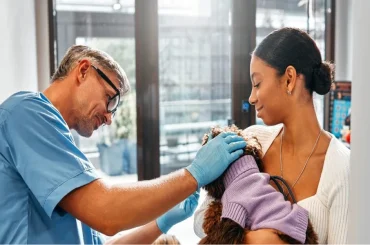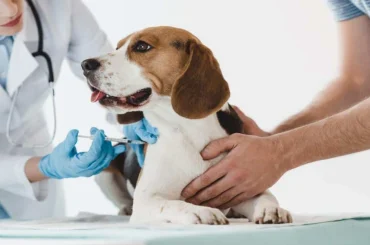
You might already know this feeling. Your pet seems fine, so it is easy to put off a wellness visit, skip a dental cleaning, or wait a little longer on lab work. Then something changes fast. A small issue becomes a late night emergency, and suddenly you are making hard choices while worried about both your animal and your budget. That is where many people find themselves, and it can feel unfair and overwhelming. Talking with a veterinarian in Fort Collins, CO can help you stay ahead of problems before they become emergencies.
The good news is that there is a steady, practical way to reduce that stress. The connection between preventive care and lower costs is simple at its core. When problems are found early, they are often easier, safer, and less expensive to manage. In an animal hospital, that can mean routine exams, vaccines, dental care, parasite prevention, nutrition support, and screening tests that catch trouble before it grows.
Why does preventive care save money when your pet seems healthy?
That is the question many pet owners ask, and it makes sense. If your dog is eating well and your cat is still jumping onto the windowsill, why spend money now? Because health problems rarely announce themselves at the start. They build quietly. Dental disease can begin without obvious pain. Weight gain can slowly strain joints and organs. Parasites can affect comfort and health before you notice any signs at home.
Because of this tension, you might wonder whether routine care is really worth it. Research in human health offers a clear pattern. The CDC reports that chronic diseases drive major health and cost burdens, and public health efforts continue to stress prevention for that reason. Healthy People also tracks national preventive care goals, which reflect a broad understanding that earlier care often leads to better outcomes. While pets are not people, the same basic logic applies. Catching disease early usually costs less than treating advanced disease later.
Think of a common example. A routine exam may uncover mild ear inflammation, early gum disease, or the first signs of arthritis. At that stage, treatment may be fairly simple. Wait a few months, and that same issue could mean deeper infection, extra testing, stronger medication, or sedation and procedures that cost much more. That is the heart of preventive health and cost savings. You are not paying for “nothing.” You are paying to avoid bigger, more painful, more expensive problems.
What gets more expensive when care is delayed?
Small delays can create big bills. A missed vaccine can leave a pet open to illnesses that require intensive treatment. Skipping heartworm, flea, or tick prevention may seem minor until there is an infestation, skin infection, or a disease that needs months of care. Putting off dental cleanings can lead to tooth loss, oral pain, and bacteria that affect other parts of the body.
There is also the emotional cost, and that matters. When your pet is sick, you are not comparing line items calmly. You are making decisions while scared. In that moment, even a manageable treatment plan can feel crushing. Routine visits to an animal hospital create a record of your pet’s baseline health, which helps the care team spot changes sooner and guide you with more confidence.
Insurance coverage for preventive services in human medicine has also expanded because prevention helps reduce long term spending and improve outcomes. The CDC outlines how preventive services are covered in many health plans, which shows how strongly the larger healthcare system values early care. Again, the details are different for veterinary medicine, but the principle is familiar. Prevent first when you can. Treat early when you must.
How does routine preventive care compare with waiting for symptoms?
Sometimes it helps to see the difference side by side. The exact numbers vary by pet, age, breed, and condition, but the pattern is often the same.
| Situation | Preventive Approach | Likely Cost Pattern | Possible Result |
|---|---|---|---|
| Dental disease | Routine oral exam and scheduled cleaning | Planned, moderate expense | Less pain, lower risk of extractions or infection |
| Parasite control | Monthly prevention and fecal testing | Predictable ongoing cost | Lower risk of larger treatment bills and household spread |
| Weight gain | Regular weigh ins and nutrition guidance | Low cost early support | Lower strain on joints, heart, and metabolism |
| Senior pet illness | Routine blood work and wellness exams | Modest screening cost | Earlier diagnosis, simpler treatment options |
| “Wait and see” approach | No visit until symptoms are obvious | Often higher, less predictable expense | More advanced disease, more stress, fewer options |
This is why many families see lower healthcare costs through prevention over time, even if routine care feels like one more bill in the moment. Prevention gives you more control. Crisis care usually takes that control away.
What can you do right now to protect your pet and your budget?
1. Schedule wellness visits before there is a problem.
Do not wait for symptoms to become obvious. Annual or twice yearly exams, depending on age and health status, can catch changes that are easy to miss at home. If your pet is older, ask whether screening blood work or a urine test makes sense now rather than later.
2. Ask for a prevention plan that fits real life.
You do not need to do everything at once. Ask your animal hospital to rank the most useful services for your pet’s age, breed, and risks. Vaccines, parasite control, dental care, weight management, and senior screening can often be planned in stages, which makes budgeting easier.
3. Track small changes and speak up early.
Write down shifts in appetite, thirst, energy, movement, breath, bathroom habits, or behavior. A short note on your phone can make a big difference. Early questions often lead to smaller fixes. Silence can lead to larger ones.
So where does that leave you?
If you have ever delayed care because life got busy or money felt tight, you are not alone. Most pet owners have been there. What matters now is seeing prevention for what it is. Not an extra. Not a luxury. A practical way to protect your pet’s comfort and reduce the odds of a painful emergency and a much larger bill.
An animal hospital can help you build a plan that supports both your pet’s health and your peace of mind. When you act early, you often spend less over time, and you give your pet a better chance at a longer, more comfortable life.