You know your pet’s habits better than anyone. You notice the slower jump onto the couch, the extra nap, the slight change in appetite, the breath that smells a little worse than it used to. Most of the time, those things do not look like emergencies, which is exactly why they are easy to put off. Life gets busy, your pet seems mostly fine, and pet wellness exams in Meridian can slide down the list.
That is where routine care matters most. Annual exams at a veterinary hospital give you a chance to catch small problems before they turn into painful, expensive ones. They also help you keep up with vaccines, weight changes, dental concerns, and age related shifts that are easy to miss at home. When people talk about the benefits of yearly pet exams, this is what they mean. Prevention gives you more control, more clarity, and often a healthier pet for longer.
Annual wellness exams catch health problems before they become crises
Pets are good at hiding discomfort. A dog with early arthritis may still wag, eat, and go outside. A cat with kidney disease may act normal until the condition has progressed. That gap between “seems okay” and “is okay” is where an annual exam helps.
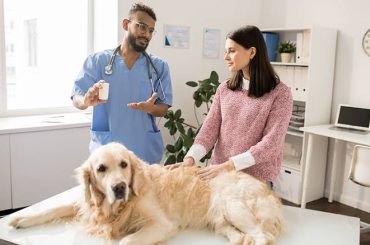
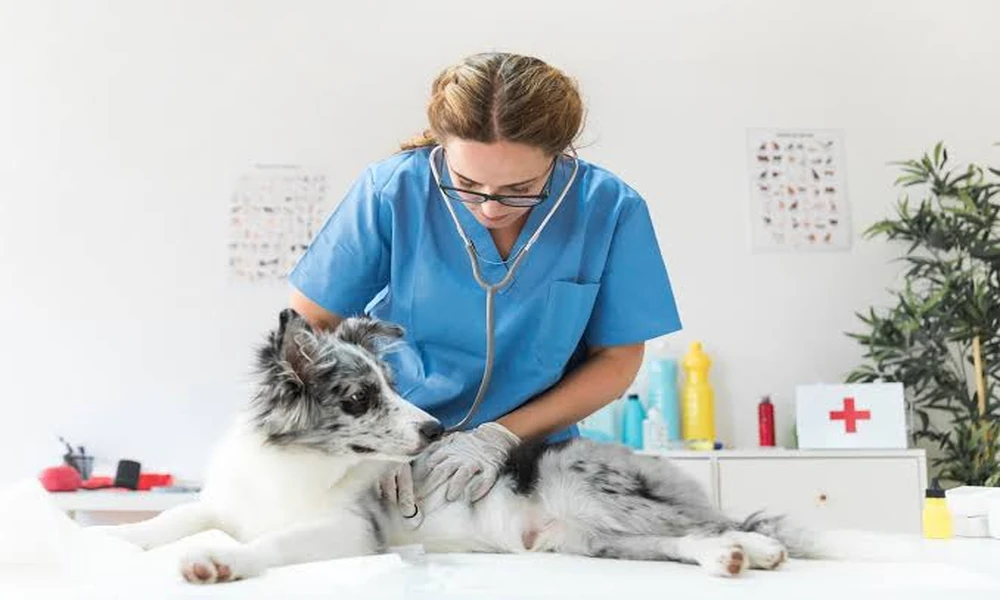
During a physical exam, a veterinarian checks your pet from nose to tail. They look at eyes, ears, skin, teeth, heart, lungs, joints, weight, and body condition. Those details build a baseline. Once that baseline exists, subtle changes stand out faster. A small lump, mild heart murmur, early dental disease, or gradual weight loss may not alarm you at home, but in a clinical setting they can point to a problem worth addressing early.
Early detection often means simpler treatment. A skin infection found at a routine visit may need medication and follow up. The same issue ignored for months can turn into chronic itching, open sores, and repeated visits. The pattern is the same with obesity, dental disease, parasites, and many long term conditions. Catching them sooner usually means less pain for your pet and less strain on your budget.
Veterinary hospital visits keep preventive care on schedule
Vaccines, parasite prevention, and screening tests work best when they are timely. Missing one appointment does not always cause immediate harm, but delays add up. Protection can lapse, and risks grow quietly.
A yearly exam is often the checkpoint that keeps everything current. Your veterinarian can review vaccine needs based on age, lifestyle, and exposure. An indoor cat may need a different plan than a dog that hikes, boards, or visits dog parks. Fecal testing, heartworm screening, and flea or tick prevention also fit into that plan. You are not guessing what your pet needs or buying products based on a label alone.
University veterinary programs emphasize this preventive approach. The annual wellness exam services at the University of Georgia outline how routine visits support vaccines, parasite control, and early disease screening. The Cornell community practice veterinary hospital also reflects the same model of ongoing preventive care tied to regular exams.
Routine pet checkups help you understand changes in behavior and aging
Behavior changes can be confusing because they do not always look medical at first. A litter box problem may be stress, or it may be pain. A dog that suddenly resists stairs may be “slowing down,” or it may have joint disease. Eating less can be picky behavior, nausea, dental pain, or something more serious.
This is one of the clearest 5 benefits of annual exams at veterinary hospitals. You get context. A veterinarian can connect behavior, physical findings, and your pet’s age in a way that gives you a clearer next step. That matters even more as pets get older. Senior pets often need closer monitoring because age changes can happen gradually and then all at once.
Regular visits also help you talk through quality of life before things feel urgent. You can ask about mobility, nutrition, supplements, dental care, and what normal aging should look like for your pet. That kind of guidance can lower the stress of wondering whether you are overreacting or missing something.
Yearly exams at a veterinary hospital can reduce long term costs
Many pet owners put off preventive care because they are trying to avoid a bill. That makes sense in the moment, especially when your pet seems healthy. The problem is that delayed care often leads to larger costs later.
A simple example is dental disease. A mild buildup of plaque during a yearly exam may lead to a recommendation for cleaning and home care. Left alone, that same issue can progress to infection, tooth loss, pain, and treatment that costs far more. The same pattern shows up with untreated ear infections, skin disease, obesity, and endocrine conditions.
Preventive veterinary care is not free, but it is usually more manageable than emergency treatment. It also reduces the odds of facing a crisis with no established medical history, no baseline lab work, and no relationship with a veterinary team that knows your pet.
Annual exams build a stronger partnership with your veterinary hospital
When your pet sees the same care team regularly, those visits become more useful. The hospital knows your pet’s history, temperament, prior concerns, and normal exam findings. That continuity helps with better recommendations and quicker decisions when something changes.
It also helps your pet. Familiar people, familiar routines, and shorter lists of unknowns can reduce stress during visits. If your pet is anxious, your veterinary team can note what works, whether that means a quieter room, a certain handling approach, or planning future visits differently.
That relationship matters most when something goes wrong. If your pet gets sick suddenly, having an established veterinary hospital and a current exam history can make the next step faster and less chaotic.
Annual exams compared with waiting for symptoms
| Approach | Likely Outcome | Cost Pattern | Stress Level |
|---|---|---|---|
| Annual exam with preventive care | Earlier detection of weight changes, dental disease, parasites, and chronic illness | More predictable, spread out over time | Usually lower because concerns are addressed before they escalate |
| Wait until visible symptoms appear | Problems may be more advanced by the time they are diagnosed | Often higher due to urgent testing or treatment | Usually higher because decisions feel rushed and symptoms are harder to ignore |
Three steps you can take right away
Schedule the exam before there is a problem. Pick a date now, especially if your pet is due or getting older. Once symptoms show up, your choices often become narrower and more expensive.
Track small changes at home. Write down shifts in appetite, thirst, energy, bathroom habits, mobility, or behavior. These details help your veterinarian spot patterns that a single visit might not fully reveal.
Bring questions, not guesses. Ask about vaccines, dental care, weight, parasite prevention, and age related screening. If something has felt “off” for a while, say it plainly. Small concerns are exactly what annual visits are for.
Your pet does not need to look sick to benefit from care. That is the whole point of an annual exam. It gives you a chance to protect their health while problems are still small, treatable, and easier to manage. If your pet is due for a visit, book an appointment with a veterinary hospital and get ahead of the issues that are easiest to miss.