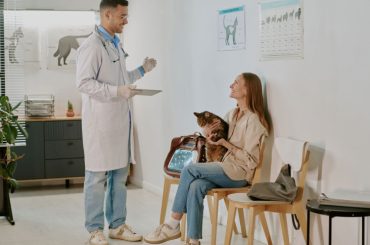
You know the feeling. Your pet starts acting off after hours, the clinic is booked, the problem may be urgent or may be nothing, and you are left trying to decide whether to wait, rush in, or search online and hope for the best. That gap between concern and care is exactly why more clinics, including a veterinary clinic in Chicago, IL, are adopting telehealth. It gives you a faster way to reach a veterinary team, sort out what needs in person treatment, and get support when a trip to the clinic is hard on your pet, your schedule, or your wallet.
How veterinary clinics are embracing telehealth services comes down to one simple shift. Clinics are using phone calls, video visits, remote follow ups, and digital messaging to extend care beyond the exam room. That does not mean every problem can be handled remotely. It means care is becoming more flexible, more responsive, and often easier to access.
Veterinary telemedicine is changing how pet owners reach care
For many pet owners, the hardest part is not always the treatment. It is figuring out whether the problem is serious, whether the pet can wait until morning, and whether the stress of transport will make things worse. Senior pets, anxious cats, large dogs with mobility issues, and owners with work or family demands all run into the same wall. Getting to a clinic is not always simple.
Remote veterinary care helps clinics close that gap. A video consult can let a veterinarian see a healing incision, assess skin irritation, watch a pet’s gait, or talk through vomiting, appetite loss, or behavior changes. A follow up by phone can save you a return trip for a routine progress check. Digital triage can help staff decide whether your pet needs immediate in person care or home monitoring with clear next steps.
This shift is practical, but it also has limits. A screen cannot replace hands on diagnostics. No video call can listen to lungs, feel an abdomen, run bloodwork, or take X rays. That is why good clinics use telehealth as an extension of care, not a replacement for it. The strongest model is a blended one, where virtual care handles communication, triage, education, and certain follow ups, while in clinic visits handle exams, testing, and treatment that require direct contact.
Veterinary clinic telehealth works best when clinics use it within clear rules
Pet owners often assume that if human medicine uses telehealth, veterinary medicine works the same way. It does not. Rules vary by state, and the details matter. Prescribing medication, giving medical advice, and forming a veterinarian client patient relationship can depend on where you live and whether the veterinarian has physically examined the animal.
The FDA explains how veterinarian client patient relationships and telemedicine affect prescribing and animal drug use. In California, state guidance also addresses how telehealth fits into practice. You can review the California Veterinary Medical Board telehealth FAQs for a clearer picture of what clinics and veterinarians may do under current rules.
That legal framework shapes the patient experience. If your pet has never been seen by the clinic, a virtual visit may be limited to general guidance or triage. If your pet is already an established patient, telehealth may be far more useful for follow ups, medication discussions, recovery checks, and ongoing management of chronic issues. Clinics that explain these boundaries well build trust, because you know what telehealth can solve and what still requires an exam room.
Telehealth in veterinary clinics reduces strain for pets and owners
There is also the emotional side. Some pets shut down in the car. Some become aggressive from fear. Some owners delay care because they are worried about cost, transportation, or taking time off work. A virtual touchpoint lowers that barrier. It can prompt earlier action, which often means problems are addressed before they grow into emergencies.
Think about a dog recovering from surgery. Instead of loading the dog into the car for every minor concern, you may be able to send photos or join a short video recheck. Think about a cat with recurring skin issues. A remote follow up may help track response to treatment between physical exams. Think about palliative care for an older pet. Telehealth can support quality of life conversations that are easier to have at home, where you can focus without the stress of the waiting room.
| Care Type | Best Use | Main Benefit | Main Limitation |
|---|---|---|---|
| Video visit | Skin issues, mobility checks, behavior concerns, post op follow ups | Visual assessment without travel | No hands on exam or diagnostics |
| Phone consult | Triage, medication questions, monitoring updates | Fast access to guidance | Less detail than video or in person care |
| Messaging or photo review | Wound checks, symptom updates, non urgent questions | Convenient documentation over time | May miss signs not visible in images |
| In clinic visit | Illness, injury, testing, procedures, emergencies | Full exam and diagnostics | More time, travel, and stress for some pets |
Smart use of veterinary clinic services starts with the right expectations
Telehealth is most helpful when you treat it as one tool inside a larger care plan. If your pet is struggling to breathe, has collapsed, is actively seizing, or may have a blockage, toxin exposure, or severe injury, remote care is not enough. Those signs call for immediate in person treatment. On the other hand, if you are dealing with a mild limp, a healing incision, appetite questions, or a chronic condition that needs monitoring, telehealth may save time and help you act sooner.
That is why clinics are leaning into digital care. It improves communication, helps teams manage caseloads, and gives pet owners another path to support. Veterinary telehealth services are not replacing the clinic. They are making the clinic more reachable.
Three steps to make the most of telehealth for your pet
1. Ask your clinic what telehealth includes. Some clinics offer video visits, some use phone consults, and some only provide remote follow ups for existing patients. Ask what conditions they handle remotely, how appointments are booked, and when they will direct you to come in.
2. Prepare before the appointment. Write down symptoms, timing, medications, eating and drinking changes, and anything unusual you have noticed. Take clear photos or videos in good light. If your pet is limping, record them walking. If the issue is skin related, capture close and wide shots.
3. Know the red flags that override convenience. Telehealth is helpful, but it should never delay urgent care. Trouble breathing, severe pain, repeated vomiting, collapse, pale gums, or sudden neurological changes need in person evaluation right away.
When clinics use telehealth well, you get clearer guidance, faster reassurance, and a more practical way to care for your pet between office visits. If your veterinary clinic offers telehealth, ask how it fits into your pet’s care plan and use it where it makes sense. A quick conversation now can make the next stressful moment feel much more manageable.