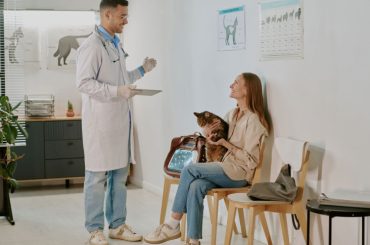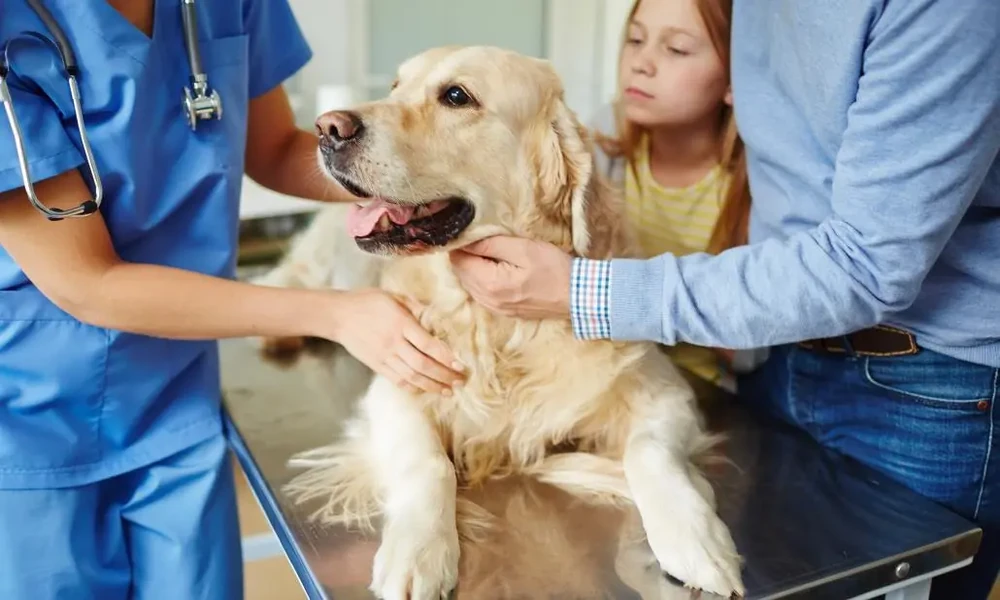
You might have felt this shift already. A routine visit that used to be simple now comes with more moving parts, more follow up care, and more questions about cost. One day your pet seems fine, and the next you are trying to make careful choices about vaccines, dental cleanings, lab work, parasite prevention, or chronic care at an animal hospital in League City, all while hoping you do not miss something important. That is part of why why animal hospitals are expanding wellness plans for pets has become such a common question.
The short answer is this. Animal hospitals are seeing that pet owners want steadier, more predictable care, and clinics also know that prevention often works better than waiting until a problem becomes urgent. A wellness plan can spread costs out, support regular visits, and help pets get care earlier. For many families, that means fewer surprises and a clearer path forward.
Why are more animal hospitals offering pet wellness plans now?
Pet care has changed. Pets live longer, many are treated like full family members, and owners are more aware of preventive care than they were a decade ago. Because of that, an animal hospital is no longer just a place you visit when something goes wrong. It is often where you build an ongoing care plan.
There is also a practical side. Many veterinary teams are trying to reduce the cycle where pets come in only when they are sick, treatment becomes more costly, and owners feel forced to make hard decisions under stress. Wellness plans can soften that pattern by encouraging routine exams, screening tests, and preventive services before problems grow.
Does prevention really matter that much? In many cases, yes. Research on companion animal preventive care and utilization patterns points to the value of regular veterinary attention and earlier intervention. You can see part of that broader discussion in this review of preventive veterinary care and service use.
That same pressure shows up in the exam room. If a pet has not been seen in a year or two, a simple concern can turn into a deeper issue. A skin problem may actually be allergies plus infection. Bad breath may be dental disease. Weight gain may be the first clue to joint pain or endocrine trouble. A pet preventive care plan helps hospitals keep those routine touchpoints in place.
What problems are wellness plans trying to solve for pet owners?
For many people, the hardest part of veterinary care is not love. It is timing and money. You want to do the right thing, but life is busy, and large one time bills can push even basic care down the list. That does not mean you care less. It means you are juggling real limits.
Wellness plans respond to that tension in a few ways. First, they turn irregular expenses into monthly payments. Second, they increase the odds that exams, vaccines, testing, and prevention actually happen on schedule. Third, they create a rhythm between you and your veterinary team, which makes it easier to ask questions early.
And there is a wider health reason too. Strong preventive systems help clinics monitor things like infectious disease trends, parasite risks, and changing standards of care. Work published through veterinary public health and clinical care research reflects how closely routine care, surveillance, and outcomes can be tied together.
So, where does that leave you if you are unsure whether a plan is worth it? It usually comes down to your pet’s age, medical history, and how likely you are to use included services. A young indoor cat may need a different plan than a senior dog with dental issues and arthritis screening needs.
How do wellness plans compare with paying for pet care as needed?
Not every plan is a perfect fit, and that is worth saying clearly. Some owners save money with a plan. Others mainly gain convenience and structure. The real value often comes from consistency, not just price.
| Approach | How it works | Potential benefits | Potential drawbacks |
|---|---|---|---|
| Wellness plan | Monthly fee covers selected preventive services such as exams, vaccines, screenings, and discounts | Predictable budgeting, easier scheduling, better follow through on routine care | May include services you do not fully use, often not a substitute for insurance |
| Pay as needed | You pay at each visit and choose services individually | Flexibility, no ongoing contract, useful for very low use pets | Higher surprise costs, delayed visits, preventive care may be skipped |
| Wellness plan plus insurance | Plan handles routine care, insurance helps with illness or injury | Broader financial support, can reduce both routine and emergency stress | Two separate monthly costs, requires careful review of terms |
There is also growing attention on how veterinary teams communicate value and outcomes. For example, this published veterinary study adds to the discussion around care models, service delivery, and clinical decision making. That matters because owners are not only asking what care costs, but what it helps prevent.
What can you do right now if a wellness plan sounds helpful?
1. Ask for a line by line breakdown.
If a clinic offers a plan, ask exactly what is included. Look for exams, lab work, vaccines, parasite prevention, dental discounts, recheck visits, and any exclusions. A good veterinary wellness plan should be easy to understand without guesswork.
2. Match the plan to your pet’s real needs.
A puppy, a healthy adult cat, and a senior pet should not all be evaluated the same way. Think about age, breed risks, chronic issues, and how often you have needed care in the past year. If your pet needs regular monitoring, the value may be stronger than it first appears.
3. Separate wellness care from emergency protection.
Many owners assume a plan covers everything. It usually does not. Ask whether the plan is only for routine care and whether pet insurance would still make sense for accidents, surgery, or serious illness. That one question can prevent a lot of confusion later.
Why does this shift in animal hospital care matter for the long run?
When animal hospitals expand wellness plans, they are responding to something very human. People want to care for their pets well, but they also need a system that feels manageable. Regular care is easier to say yes to when the process is clear, the costs are steadier, and the next step is not a mystery.
If you have been wondering whether this model is just another add on, it often is more than that. In many clinics, it is an attempt to make preventive care easier to reach and easier to maintain. And when that works, pets are more likely to be seen sooner, treated earlier, and kept healthier over time.
If your local animal hospital offers a wellness plan, ask for the details and compare them to your pet’s actual needs. A calm, informed choice now can make the next year of care feel much less overwhelming.