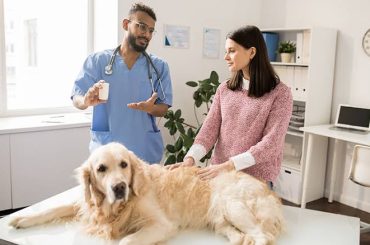
You might already know the feeling. Your pet seems a little off, maybe they skip a meal, hide under the bed, or start scratching more than usual, and suddenly your whole day shifts. What looked small now feels loaded with questions, because when an animal depends on you, even minor changes can carry a lot of weight. That is part of responsible pet ownership. You are not just offering food, toys, and affection. You are also making choices that protect your pet’s health before a problem grows, including knowing when to seek veterinary surgery in Fontana.
That is why animal hospitals matter so much. They help you catch illness early, stay on top of preventive care, handle emergencies, manage costs with a plan, and protect both your household and the wider community. If you have ever wondered whether regular veterinary care is really necessary, the short answer is yes. A trusted animal hospital often makes the difference between reacting late and caring well from the start.
Why does responsible pet ownership involve more than love and good intentions?
Most people bring a pet home with the best intentions. You want to provide comfort, safety, and a happy life. But love alone cannot diagnose dental disease, identify parasites, or spot the early signs of kidney trouble. Pets are also good at hiding pain. By the time they show obvious symptoms, the problem may be harder, and more expensive, to treat.
Because of this tension, you might wonder what an animal hospital really adds. The answer is structure, guidance, and medical support. Routine exams, vaccines, bloodwork, dental checks, and behavior advice all give you clearer information, which helps you make calmer decisions. That is one of the clearest reasons animal hospitals matter for pet owners. They replace guesswork with a plan.
This also extends beyond your pet alone. According to the CDC’s guidance on healthy pets and healthy people, pet care plays a role in reducing disease risks for humans as well. When your pet receives proper medical attention, you are also helping protect children, older adults, and anyone in your home with a weaker immune system.
What are the five reasons an animal hospital supports better pet care?
1. Early detection can change the outcome. A yearly exam can uncover weight changes, heart murmurs, skin issues, or lab changes before your pet seems sick at home. Early care often means simpler treatment and better results.
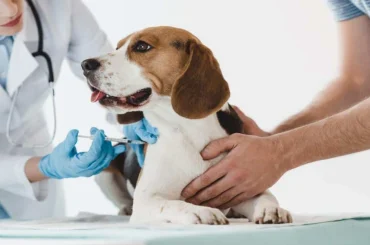
2. Preventive care lowers avoidable risk. Vaccinations, parasite prevention, spay and neuter counseling, and nutrition guidance all reduce common health threats. This is one of the strongest arguments for responsible pet healthcare, because prevention is usually easier than treatment after the fact.
3. Emergencies are less chaotic when you already have a care team. If your dog eats something toxic or your cat suddenly struggles to breathe, you do not want to start researching options in a panic. An established relationship with an animal hospital gives you a faster path to help.
4. Chronic conditions need monitoring. Many pets live with allergies, arthritis, diabetes, or digestive issues. These are not one time problems. They need follow up, medication adjustments, and a team that knows your pet’s history.
5. Animal hospitals help protect public health. Zoonotic diseases, which can spread between animals and people, are a real concern. The CDC shares more information about pets and animals health topics, including prevention steps that matter in everyday life. Veterinary care supports safer homes and communities.
What happens when you rely on home guesses instead of an animal hospital?
Sometimes the decision to wait feels practical. Maybe money is tight. Maybe your pet seems mostly fine. Maybe you hope the issue will pass on its own. That is understandable. Still, waiting can turn a manageable problem into a painful one. A mild ear infection can become severe. A limp can point to an injury that worsens with activity. Bad breath can signal dental disease that affects eating and overall health.
So, where does that leave you? It means the question is not just whether a visit costs money today. It is whether delaying care could cost more, financially and emotionally, later on. An animal hospital helps you make those calls with better information, rather than fear or guesswork.
How does home care compare to care from an animal hospital?
Home care still matters. You are the one who notices changes first, keeps routines steady, and gives daily support. But home care works best when it is paired with professional oversight. The table below shows why both have a place, though they are not equal when medical decisions are involved.
| Care Approach | What It Helps With | Limits | Best Use |
|---|---|---|---|
| Home observation | Noticing appetite changes, energy shifts, coughing, scratching, or limping | Cannot diagnose underlying illness | Tracking symptoms and sharing details with a veterinarian |
| Online research | Learning basic terms and common warning signs | Symptoms often overlap and can be misleading | Preparing questions before a visit |
| Animal hospital care | Exams, testing, treatment, prevention, and emergency support | Requires scheduling and cost planning | Diagnosis, treatment, and long term health management |
What can you do right now to be a more responsible pet owner?
Schedule preventive visits before there is a crisis. Annual or semiannual exams can reveal problems you cannot see at home. If your pet is older or has a chronic condition, ask whether more frequent checkups make sense.
Keep a simple health record. Write down vaccines, medications, food changes, allergies, and any unusual symptoms. If your pet starts acting differently, dates and details help an animal hospital respond faster and more accurately.
Build an emergency plan. Know where you will go, how you will get there, and what payment options you have if something urgent happens. That small bit of planning can spare you precious time when stress is high.
What does all of this mean for your pet and your peace of mind?
Responsible pet ownership is not about being perfect. It is about staying present, asking for help when needed, and giving your pet access to care that supports a longer, healthier life. The real value of an animal hospital is not only in treating illness. It is in helping you prevent suffering, respond sooner, and feel less alone when something is wrong.
Your pet relies on you for more than affection. They rely on you to notice, to act, and to choose care that protects their well being. If you have been putting off a visit, now is a good time to schedule one and take that next step with confidence.