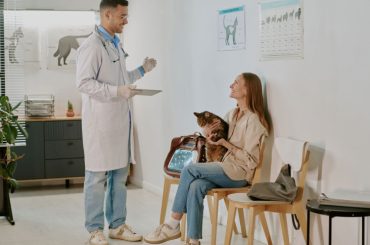
You bring your puppy home, and the advice starts coming from every direction. Keep them away from everything until all vaccines are done. Get them out early, or they will miss a key social window. If you are feeling pulled between protecting your puppy’s health and helping them grow into a calm, confident dog, that tension is real. Talking with a veterinarian in Bend, OR can help you make the best choices for your puppy. You are not overthinking it.
The middle ground is usually the right one. Puppies do need protection from diseases like parvovirus, but they also need safe, early exposure to people, sounds, surfaces, handling, and stable dogs. Waiting too long can create behavior problems that are harder to fix later. Rushing into high-risk places can expose a puppy whose immune system is still developing. Good care is not about choosing one side. It is about lowering disease risk while still building social skills.
Early puppy socialization and vaccine protection both matter
The first months shape how your puppy sees the world. During this period, new experiences can either teach safety or create fear. A puppy who gently meets different people, hears traffic, walks on tile and grass, and learns that car rides and vet handling are normal often adjusts better as an adult. A puppy who stays in a bubble until four months old may look physically safe, yet struggle when normal life finally arrives all at once.
That is where the confusion starts. Vaccines are not a single event. Puppies usually need a series, because maternal antibodies can interfere with early protection. Your veterinarian may recommend visits every few weeks until the series is complete, often with rabies added later based on age and local law. During that stretch, your puppy is not fully protected, especially from serious diseases like parvo.
The risk is not the same everywhere or in every situation. Carrying your puppy into a friend’s clean home to meet one healthy, vaccinated adult dog is very different from putting them on the ground at a busy dog park. A puppy class that requires vaccine records and cleans floors is different from letting your puppy sniff unknown waste in shared apartment grass. That is why blanket rules often fail families. They ignore the difference between controlled exposure and random exposure.
The Ohio State guidance on balancing puppy socialization with infectious disease prevention makes this point well. Safe socialization should start before the full vaccine series is done, but it should happen in lower-risk settings. That gives your puppy a chance to learn without unnecessary exposure.
Puppy vaccination and socialization decisions depend on risk, not fear
Fear pushes people to extremes. One extreme is total isolation. The other is assuming one or two shots mean a puppy can go anywhere. Neither serves your dog well. What helps is a simple risk filter. Ask where the exposure is happening, which animals will be involved, whether those animals are healthy and vaccinated, and how likely the environment is to carry infectious waste.
Consider two common examples. A puppy who rides in a cart with a blanket, hears store noises, and watches people from a safe distance gets social learning with little direct exposure. A puppy who walks through an area where many unknown dogs relieve themselves faces a much higher disease risk. The lesson is not “stay home” or “go everywhere.” The lesson is to control the setting.
Your general veterinarian can help you judge local risk. Parvo rates, community vaccination patterns, apartment living, rural exposure, and multi-dog households all change the advice. The CDC also offers practical basics on staying healthy around dogs and pets, including hygiene and safe interaction habits that matter for both pets and people.
Low risk socialization and high risk exposure are not the same thing
| Situation | Socialization Value | Disease Risk | Smarter Approach |
|---|---|---|---|
| Meeting a vaccinated adult dog in a clean home | High | Low | Allow short, calm visits and supervise closely |
| Watching people, strollers, and traffic from your arms or a stroller | High | Low | Use treats and keep sessions brief |
| Puppy class with vaccine requirements and cleaning protocols | High | Moderate to low | Choose a well-run class approved by your vet |
| Dog park visits before vaccine series is complete | Unpredictable | High | Wait until your veterinarian says it is safe |
| Shared apartment potty areas used by many unknown dogs | Low | High | Use a cleaner, limited access area when possible |
| Car rides, grooming touch, nail handling, hearing household sounds | High | Very low | Start early and repeat often |
This is the heart of safe puppy socialization. The goal is not to expose your puppy to everything. The goal is to expose them to enough of real life, in ways that do not stack unnecessary risk against an unfinished vaccine series.
Three steps help you build a safe puppy socialization plan now
1. Build a social list before you build a social calendar. Write down 20 things you want your puppy to experience in the next few weeks. Men with hats, kids at a distance, doorbells, umbrellas, hardwood floors, gentle brushing, riding in the car, one healthy adult dog, a friendly neighbor, a vacuum from across the room. This keeps you focused on quality, not volume.
2. Choose controlled exposure over public exposure. Invite known people over. Arrange play with healthy, vaccinated dogs you trust. Carry your puppy in higher traffic places or use a stroller or blanket barrier. Skip dog parks, pet store floors, and unknown yard visits until your veterinarian clears them. This is the practical center of puppy vaccines and socialization.
3. Ask your veterinarian for a local risk plan. Do not settle for generic internet advice if your area has high parvo activity or your puppy has special health concerns. A good veterinary guidance for puppy vaccines plan should cover vaccine timing, potty spot safety, class recommendations, and when your puppy can start walking in public spaces.
Steady, thoughtful choices protect both health and behavior
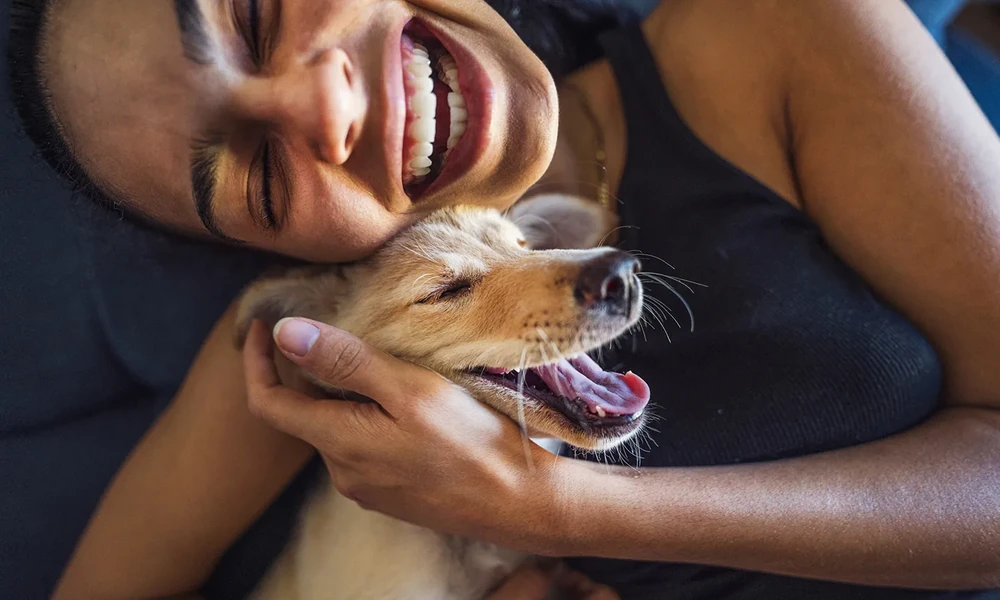
You do not need to choose between raising a healthy puppy and a well-adjusted one. You can protect your dog from disease and still give them the early experiences that shape confidence. Small, controlled exposures count. Calm repetition counts. Good judgment counts more than fear.
If you are unsure where the line is for your puppy, schedule a visit with a general veterinarian and ask for a risk-based socialization plan that fits your home, your neighborhood, and your puppy’s vaccine schedule.