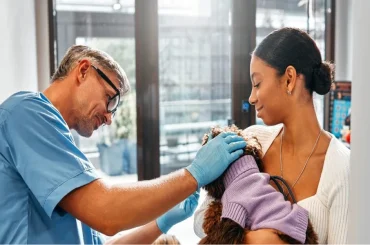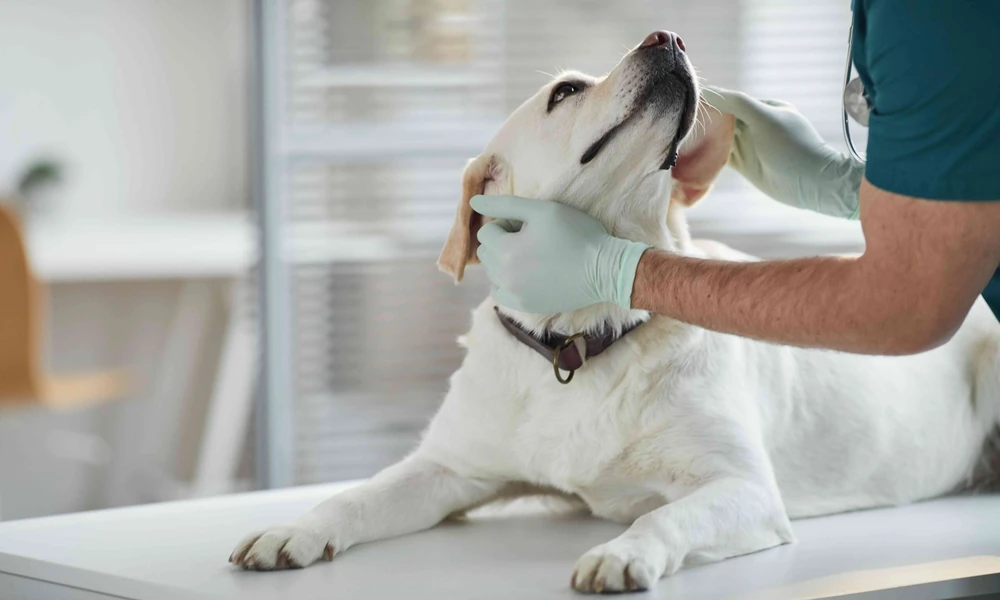
You might be feeling the weight of a simple question that does not feel simple at all. Where should you take your pet for care, and how do you know that choice really matters over the years? Whether you are considering Tide & Tail animal hospital in Encinitas, when your dog slows down, your cat hides more than usual, or a new puppy seems perfectly healthy, it is easy to think any clinic will do until something goes wrong. Then the stakes feel very real, very fast.
The truth is that choosing the right animal hospital can shape far more than one visit. It can affect how early illness is found, how well chronic problems are managed, and how confident you feel making decisions when your pet cannot speak for itself. In short, why choosing the right animal hospital improves pet longevity comes down to prevention, consistency, and trust. The right team helps your pet stay healthier for longer, and it helps you act sooner when something changes.
Why does the right pet hospital matter so much over a lifetime?
It helps to start with what long term care really means. Pets do not just need treatment when they are sick. They need routine exams, vaccines, dental checks, parasite prevention, weight monitoring, and age appropriate screenings. According to the CDC’s healthy pets guidance, regular veterinary care is part of keeping pets and people safer and healthier together.
So, where does that leave you as an owner? It means the best animal hospital is not simply the closest one or the one with the fastest appointment this week. It is the place that notices subtle changes before they become major problems. A pet who gets steady preventive care may have kidney disease caught earlier, dental infection treated before it spreads, or arthritis managed before pain limits movement and muscle strength.
That is one reason selecting the right veterinary hospital matters so much. Early detection often leads to better outcomes, lower costs over time, and less suffering for your pet.
What happens when care is inconsistent or reactive instead of preventive?
Many families fall into reactive care without meaning to. Life gets busy, a pet seems fine, and annual exams slip. Then one day there is vomiting, limping, weight loss, or a sudden emergency. At that point, the visit becomes more stressful and often more expensive.
Because of this tension, you might wonder whether one missed checkup really changes anything. Sometimes it does. A skilled animal hospital tracks trends, not just symptoms. A small weight drop over two visits, mild gum disease, or changes in thirst can point to deeper issues. If no one is watching the pattern, those warning signs can be missed.
There is also the human side of this. When you know the care team, you are more likely to call early, ask questions, and follow through. That relationship matters. The CDC also offers information about healthy pets and safe pet ownership that supports the idea that good care is ongoing, not one time.
How can an animal hospital support a longer, healthier life?
A strong hospital does more than treat illness. It builds a plan around your pet’s age, breed, lifestyle, and risk factors. A young indoor cat has different needs than a senior large breed dog. A pet who hikes, boards, or meets other animals may need a different prevention plan than one who stays home.
Good hospitals also follow current standards and clinical guidance. For pet owners who want a closer look at professional resources, the CDC shares veterinary clinical resources that reflect the wider framework behind safe, informed care.
And if you are wondering whether this is just common sense or something supported by public health thinking, there is useful context in the CDC’s Compendium of Measures to Prevent Disease Associated with Animals in Public Settings. While it focuses on animal and human health in shared environments, it reinforces a larger point. Prevention, monitoring, and proper medical oversight reduce risk.
What should you compare when choosing an animal hospital?
Not every clinic offers the same level of support, and the differences can affect your pet over time. Looking at a few concrete factors can make the choice clearer.
| What to Compare | Why It Matters for Longevity | What to Look For |
|---|---|---|
| Preventive care approach | Helps catch disease early and maintain health year after year | Annual or twice yearly exams, vaccine planning, parasite prevention, wellness screening |
| Continuity of care | Creates a medical history that makes subtle changes easier to spot | Clear records, follow up reminders, consistent doctors or team communication |
| Diagnostic access | Speeds up answers when symptoms appear | Lab testing, imaging access, dental evaluations, senior pet screening |
| Communication style | Improves owner follow through and reduces confusion | Plain language, time for questions, written care plans |
| Emergency planning | Reduces delays when urgent care is needed | Same day sick visits, after hours guidance, referral network |
When you compare clinics this way, the phrase pet longevity through better veterinary care stops sounding abstract. It becomes practical. Better systems often lead to better timing, and better timing can change outcomes.
What can you do right now to choose wisely?
1. Ask how the hospital handles prevention.
Do not be afraid to ask direct questions. How often do they recommend exams based on age? What screenings do they suggest for senior pets? How do they track weight, dental health, and chronic issues? A thoughtful answer tells you a lot about how they practice animal hospital care.
2. Pay attention to how they communicate.
A good hospital should make you feel informed, not rushed. You should leave knowing what was found, what comes next, and what signs to watch at home. If a clinic explains things clearly now, it is more likely to support you well when decisions feel harder.
3. Think beyond today’s convenience.
Close to home matters, and so does cost. But also consider the long view. Is this a place you would trust with a new diagnosis, a chronic condition, or end of life guidance years from now? Choosing with that future in mind often leads to a better fit.
When you choose carefully, what changes for your pet?
Often, the biggest change is not dramatic at first. It is quieter than that. Small problems are noticed sooner. Care feels more organized. You spend less time guessing and more time acting with confidence. Your pet gets support at each life stage instead of only in moments of crisis.
That is really the heart of why choosing the right animal hospital improves pet longevity. The right hospital helps protect health before it slips, responds with skill when it does, and gives you a trusted place to turn through every season of your pet’s life.
If you are weighing your options now, take that instinct seriously. Choosing well today can shape many healthy tomorrows for the pet who depends on you.