You might not think much about veterinary care until something feels off. Your dog stops eating. Your cat hides more than usual. A farm animal shows signs of illness, and now a small problem could become a costly one. In those moments, the value of a trusted general veterinarian or Belcamp veterinarian becomes clear fast. The short version is simple. Veterinary services protect pets, support families, help farmers, and even guard public health in ways many people do not see until they need them.
There was a time when many people saw pet care as basic shots and the occasional sick visit. That picture has changed. Pets live closer to us now, often sleep in our homes, travel with us, and become part of daily family life. At the same time, animal health affects food safety, disease tracking, and rural communities. Because of that shift, animal health services matter more now than they did just a few years ago.
Why does veterinary care touch more of your life than you may realize?
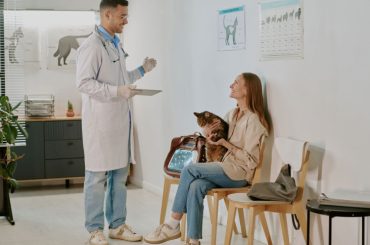
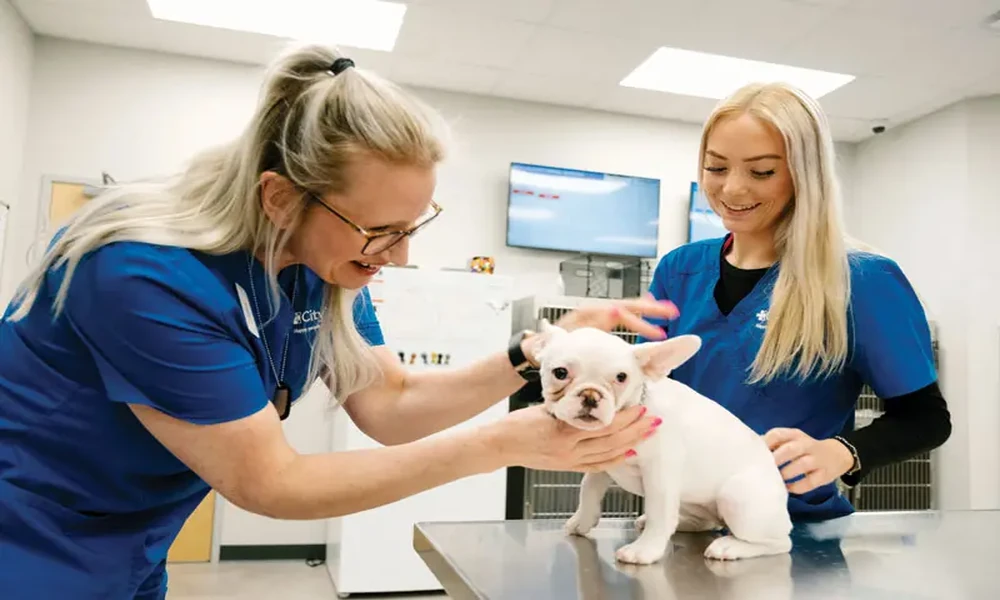
When you think about a veterinarian, you may picture an exam room, a stethoscope, and a nervous pet on a table. That is part of it, but not the whole story. A general veterinarian helps with prevention, early diagnosis, pain management, nutrition, behavior concerns, dental health, and chronic disease monitoring. Those are not small tasks. They shape how long an animal lives and how well it lives.
So, where does that leave you? It means good veterinary care is not just about reacting to emergencies. It is about catching problems before they grow. A skin issue can point to allergies. Weight gain can hint at joint strain or hormone trouble. A missed vaccine can raise the risk of illness not only for your pet, but for other animals too.
Public health is part of this picture as well. Some diseases can pass between animals and people, which is one reason veterinary oversight matters so much. The CDC offers veterinary resources for healthy pets and clinical guidance that show how closely human and animal health are linked. If you have ever wondered why regular checkups matter even when your pet looks fine, this is one answer. Prevention protects more than one life at a time.
What happens when access to a general veterinarian gets harder?
This is where the issue becomes more serious. In many areas, especially rural communities, there are not enough veterinarians to meet demand. That can mean longer waits, more travel, delayed treatment, and harder decisions for families and producers. If your animal gets sick on a weekend, or during a busy season, even a short delay can change the outcome.
For pet owners, that stress is emotional and financial. You may wait too long because you hope the problem will pass. Then the condition worsens, and treatment becomes more involved and more expensive. For farmers and ranchers, the stakes can be even wider. One untreated illness can affect herd health, production, and income.
The shortage is real enough that the USDA has identified many veterinary shortage situations across the country. That matters because access is not just a convenience. It shapes whether animals receive timely care at all. When veterinary support is thin, everyone feels it.
How do veterinary services support pets, farms, and communities at the same time?
A sick pet can break your heart, but the role of veterinary medicine extends beyond the home. In rural areas, veterinarians help keep food animal populations healthy, which supports local economies and food systems. They advise on disease prevention, herd management, and safe treatment plans. They also help detect outbreaks early, before they spread further.
The federal government has recognized this need and has expanded support for the rural veterinary workforce. The USDA has outlined efforts to strengthen the rural food animal veterinary workforce, which speaks to how serious the need has become. If you live in a farming area, you already know this is not abstract. It affects response time, animal welfare, and business stability.
Even for household pets, the ripple effect is wider than it seems. Better access to veterinary services means better vaccine coverage, safer parasite control, quicker treatment for contagious illness, and more guidance for owners who are trying to do the right thing.
What are the real risks of waiting versus getting veterinary help early?
People often delay care for understandable reasons. Cost, time, travel, and uncertainty all play a part. You may ask yourself if the issue is serious enough, or if you are overreacting. But waiting can create a harder path.
| Situation | Early Veterinary Care | Delayed Care |
|---|---|---|
| Mild vomiting or diarrhea | Exam, hydration advice, simple treatment, lower chance of complications | Risk of dehydration, worsening illness, more tests, higher cost |
| Dental disease | Cleaning, pain relief, prevention of tooth loss and infection | Severe pain, extraction needs, spread of infection, reduced appetite |
| Limping or stiffness | Early pain control, joint support, better mobility | More damage over time, chronic pain, reduced quality of life |
| Missed vaccines or parasite prevention | Lower risk of preventable disease and spread to other animals | Higher illness risk, outbreak concerns, more treatment later |
The pattern is hard to ignore. In many cases, early care is simpler, less stressful, and more affordable than crisis care. That is one reason veterinary medicine has become such an important part of responsible animal ownership.
What can you do right now to protect your animal and plan ahead?
1. Schedule routine visits before there is a problem.
Annual or semiannual checkups give your veterinarian a baseline. That makes it easier to spot subtle changes early. If your pet is older, has a chronic condition, or tends to hide symptoms, regular visits matter even more.
2. Build a care plan that fits your budget.
Ask about preventive care schedules, vaccine timing, parasite control, and expected costs for common needs. When you know what is coming, you can prepare instead of scrambling. A clear plan often reduces stress and avoids delayed decisions.
3. Know your warning signs and act sooner.
Changes in appetite, energy, breathing, bathroom habits, movement, or behavior deserve attention. You do not need to panic over every small shift, but you should not ignore them either. Calling a veterinary clinic early can help you decide what needs prompt care and what can be monitored.
Why does this matter so much right now?
Because animals depend on you, and you depend on people trained to protect their health. The need for strong, accessible veterinary support has grown with modern life. Pets are family. Livestock health affects food supply and rural stability. Disease prevention touches whole communities. All of that makes general veterinarian care more important than ever.
If you have been putting off a visit or wondering whether your concerns are worth raising, this is your reminder to take the next step. A timely conversation with a veterinary professional can spare pain, lower risk, and bring peace of mind when you need it most.