You might be feeling that knot in your stomach already. Your pet needs surgery, and even if it is a routine procedure, it is hard not to picture the waiting, the anesthesia, and the moment you hand over the leash or carrier to a Newport, NC veterinarian. That worry is normal. You love your pet, and you want to know that every step is being handled with care.
The good news is that how vets prepare pets for surgery safely and comfortably is not left to chance. A thoughtful surgical plan usually starts well before the procedure itself, with an exam, lab work, fasting instructions, pain control, and close monitoring before, during, and after anesthesia. When you understand that process, the whole experience often feels less frightening and more manageable.
Why does pet surgery preparation matter so much before the procedure even begins?
When most people think about surgery, they think about the operation. In reality, a lot of safety comes from what happens first. safe pet surgery preparation helps the veterinary team spot hidden risks, choose the right anesthesia plan, and make your pet as comfortable as possible.
That can include a physical exam, a review of your pet’s age, breed, weight, and medical history, plus blood tests to check organ function. If your dog has a heart murmur, or your cat is older and has kidney concerns, that information shapes the plan. Because of this, preparation is not just paperwork. It is part of the treatment.
You may also be asked about medications, supplements, allergies, and any past reactions to sedation or anesthesia. This matters more than many owners realize. According to Texas A&M’s overview of pet sedation and anesthesia, sedation and anesthesia are tailored to the individual pet, not treated as one size fits all.
What happens during veterinary surgery prep, and why can it feel so overwhelming?
Part of the stress comes from not knowing what is normal. You may hear instructions like no food after a certain hour, arrive early, or expect pre anesthetic testing, and suddenly it all feels serious. That is because it is serious, but serious does not mean unsafe. It means your veterinary team is trying to reduce avoidable risk.
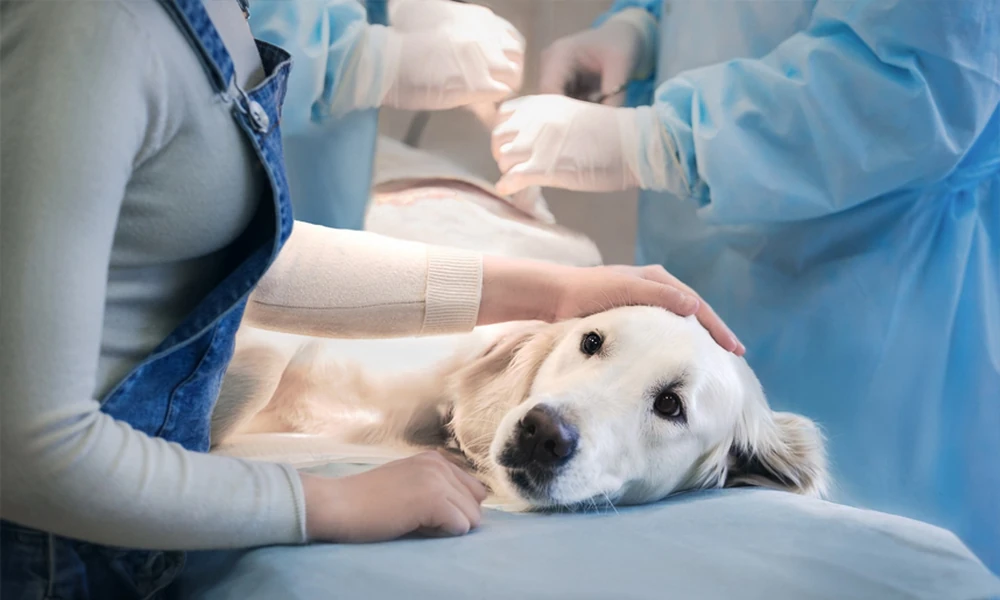
For example, fasting helps lower the chance of vomiting and aspiration while a pet is under anesthesia. An IV catheter may be placed so fluids and medications can be given quickly. Monitoring equipment tracks heart rate, blood pressure, oxygen levels, breathing, and temperature. At Ohio State’s anesthesiology service, monitoring and individualized anesthetic care are central parts of protecting pets throughout a procedure.
Then there is comfort, which owners sometimes worry will be overlooked. It usually is not. Pain medication may begin before surgery even starts, because preventing pain is often easier than trying to catch up to it later. Warm blankets, quiet recovery spaces, and careful observation after surgery all support a smoother wake up.
So, where does that leave you if your pet is young and healthy, or older and medically complex? In both cases, the goal is the same. The plan should fit your pet, not the other way around.
How do vets balance safety, comfort, and cost when planning surgery for pets?
This is where many owners feel torn. You want every safeguard, but you may also be thinking about cost. That tension is real. Still, it helps to understand what each part of preparing pets for surgery is meant to do, so you can ask better questions and make informed choices.
| Preparation Step | How It Helps Safety | How It Helps Comfort |
|---|---|---|
| Physical exam | Finds issues like fever, dehydration, heart or breathing concerns | Helps the team handle your pet in a way that fits current health needs |
| Blood work | Checks liver, kidneys, blood sugar, and other markers that affect anesthesia | Supports better drug choices and smoother recovery |
| Fasting instructions | Reduces risk of vomiting during anesthesia | Lowers risk of complications that can prolong recovery |
| IV catheter and fluids | Allows quick access for medications and supports blood pressure | Can reduce dehydration and help pets feel steadier after surgery |
| Pain control plan | Limits stress responses that can affect healing | Keeps pain managed before and after the procedure |
| Monitoring during anesthesia | Tracks breathing, oxygen, heart rate, and temperature in real time | Helps the team adjust care quickly if your pet needs support |
If your pet is having soft tissue surgery, you may also want to review common questions about timing, recovery, and discharge instructions from the University of Illinois small animal surgery FAQ. Sometimes a little clarity lowers a lot of fear.
What can you do right now to make veterinary surgery preparation easier?
1. Ask for the plan in plain language.
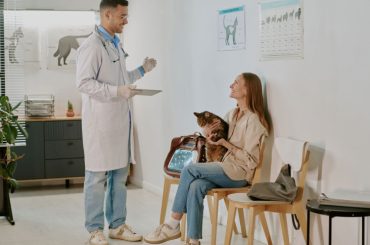
You do not need to pretend you understand every medical term. Ask what tests are recommended, what anesthesia monitoring will be used, how pain will be managed, and what recovery should look like in the first 24 hours. A good general veterinarian should be able to explain each step clearly.
2. Follow pre surgery instructions exactly.
If you are told to withhold food after a certain time, do that. If medications should be continued or paused, write it down. Small details can have a real effect on anesthesia safety. If your pet sneaks a treat or vomits that morning, call the clinic rather than guessing what to do next.
3. Prepare your home before your pet comes back.
Set up a quiet resting spot, keep other pets and children calm around them, and have medications, food instructions, and contact numbers ready. Recovery often goes better when your home is already arranged for limited activity, easy bathroom breaks, and close observation.
How can you feel more confident about your pet’s surgery day?
You may never feel completely relaxed about it, and that is okay. What helps is knowing that pet surgery safety depends on many careful choices made before the first incision, not just during the operation. Exams, lab work, anesthesia planning, pain control, monitoring, and recovery support all work together to protect your pet and reduce discomfort.
If your pet has an upcoming procedure, speak with your veterinary clinic and ask them to walk you through their process for surgery prep, anesthesia, and aftercare. Clear answers can turn a frightening unknown into a plan you can trust.