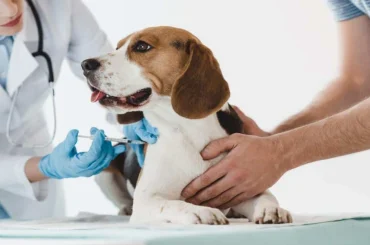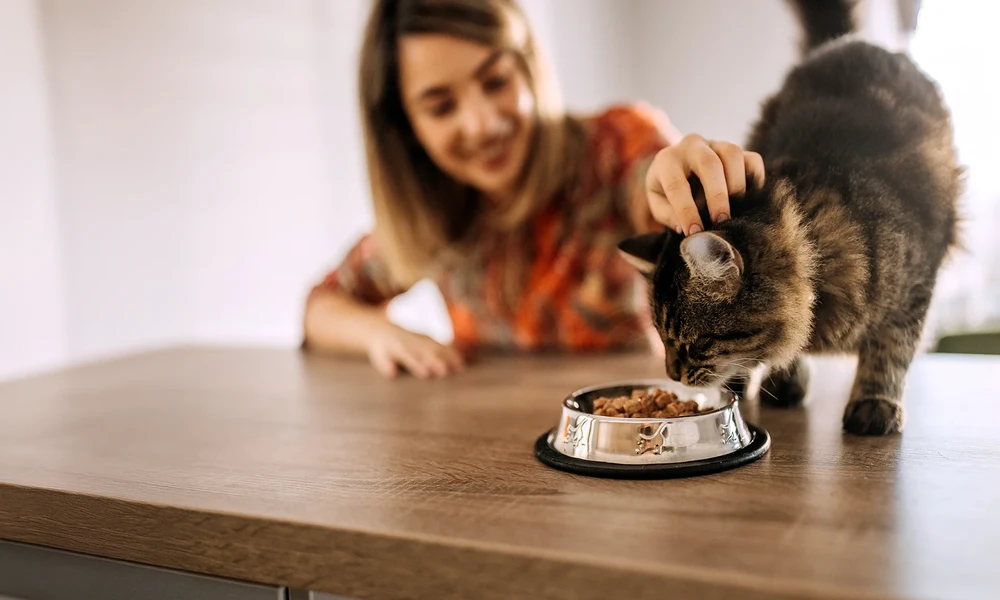
You might have noticed it slowly. A tighter collar, less interest in walks, more panting after a short play session, or a cat that seems less willing to jump where they used to go with ease. It can be hard to tell when a pet has crossed from a little extra fluff into a real health concern, and that uncertainty often leaves you feeling guilty, worried, or both. If that sounds familiar, you are not alone. The good news is that an animal hospital or a veterinarian in Bedford, NS can help you sort through the confusion, find the cause, and build a safe plan for better health. In simple terms, animal care centers support pet nutrition and healthy weight control by checking for medical issues, creating feeding plans, tracking progress, and helping you make changes that actually last.
Why does pet weight gain feel so hard to manage at home?
Weight gain in pets rarely comes from one thing alone. Sometimes it is too many treats, table scraps, or portions that grew over time without anyone noticing. Sometimes it is a change in routine, less exercise, age, or a health issue that affects metabolism and hunger. Because of that, trying to fix the problem on your own can feel frustrating. You cut back food, your pet seems hungry all day, and the scale barely moves. Then you wonder if you are doing more harm than good.
That tension matters, because extra weight is not just about appearance. It can affect joints, heart health, breathing, energy, and even life span. According to the FDA’s guidance on keeping your dog or cat at a healthy weight, asking your veterinarian the right questions about diet, calorie needs, and body condition is an important first step. In other words, the issue is bigger than feeding less. It is about feeding well.
So, where does that leave you? Usually, it means you need a plan that fits your pet’s body, habits, and medical history, not a guess based on the feeding chart on the bag.
How can an animal hospital support safe pet nutrition and weight management?
When you bring your pet to an animal hospital for weight concerns, the conversation should go beyond the scale. A care team often starts with a body condition check, weight history, lifestyle review, and questions about what your pet eats in a full day. That includes meals, treats, supplements, and the little extras that are easy to forget. A few bites here and there can add up fast, especially for smaller pets.
From there, your veterinarian may look for hidden causes. What if your dog is gaining weight because arthritis makes movement painful? What if your cat begs for food because the current diet is not filling enough? What if a medical condition is changing appetite or activity? These details matter, and they are one reason pet nutrition and weight management works better when it is guided by professionals.
Animal care centers also help by turning broad advice into daily routines. Instead of saying “feed less,” they may recommend measured meals, a therapeutic diet, a slower rate of weight loss, or ways to increase activity without overdoing it. Cornell’s tips on obesity and weight management in dogs highlight the value of portion control, regular weigh ins, and exercise plans that match the pet’s ability. Those are small changes, but they work best when someone is tracking the full picture with you.
What is the difference between trying it yourself and getting professional help?
Many loving pet owners try to handle weight gain at home first, and that instinct makes sense. Still, there is a real difference between a general effort and a medical plan. If your pet loses weight too quickly, stays hungry, or has another condition in the background, a do it yourself approach can stall out or create new problems.
| Approach | What It Often Looks Like | Common Risk | Likely Benefit |
|---|---|---|---|
| Home only changes | Guessing portions, cutting treats, adding walks | Too few calories, poor balance, missed health issue | May help mild weight gain if done carefully |
| Animal hospital guidance | Exam, body score, diet review, custom calorie plan, follow ups | Requires time and consistency | Safer, more accurate, better long term results |
| Prescription or therapeutic plan | Special diet, scheduled monitoring, exercise limits if needed | Needs close adherence at home | Useful for obesity, joint pain, or other medical concerns |
Research and clinical guidance continue to show that obesity in pets is common and often tied to other health concerns. The University of Illinois shares in its pet obesity FAQ that weight problems can raise the risk of disease and reduce quality of life. That is why animal care weight support is not just about the number on the scale. It is about comfort, mobility, and day to day well being.
What steps can you take right now to help your pet?
1. Start with an honest food log.
For three to five days, write down everything your pet eats. Include meals, treats, chews, table food, and anything given by other family members. You may be surprised by how much those extras add up. This gives your veterinarian a clear starting point and helps identify easy changes.
2. Ask for a body condition and calorie review.
A healthy weight is not the same for every pet. Breed, age, muscle mass, and medical history all matter. A professional review can tell you whether your pet truly needs to lose weight, how much, and at what pace. This is where nutrition and weight management for pets becomes specific instead of general.
3. Build one routine you can keep.
Choose one habit that feels realistic. Measured meals twice a day, a ten minute play session after dinner, or replacing high calorie treats with lower calorie options can all help. Lasting change usually comes from steady routines, not from doing everything at once.
When does extra weight become a sign that your pet needs more support?
If your pet is slowing down, struggles to move, seems uncomfortable, or keeps gaining weight despite your efforts, it may be time for more than casual adjustments. A veterinary team can help you understand whether the issue is simple overfeeding, a mobility problem, or something deeper. That kind of clarity often brings relief, because once you know what is going on, you can stop guessing and start helping.
Your pet does not need a perfect routine overnight, and you do not need to carry the worry alone. With the right support from an animal hospital, better nutrition, safer weight loss, and more comfortable movement are all possible. If you have concerns about your pet’s weight, schedule a visit and ask for a nutrition and weight management review.