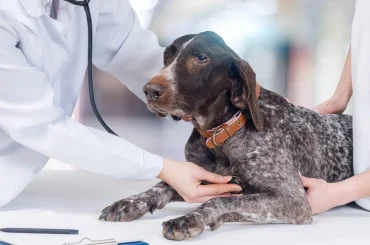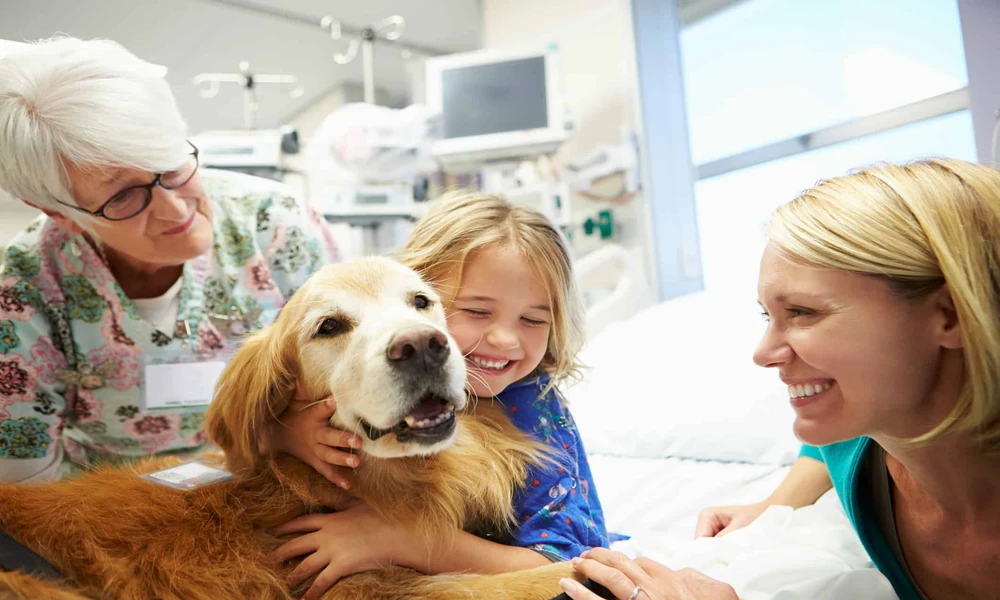
You might think of an animal hospital as the place you go when your dog is limping, your cat stops eating, or a new puppy needs vaccines. That is true, but it is only part of the picture. An animal hospital is also where Richmond pet owners find trusted veterinary care. What happens inside an animal hospital reaches far beyond one pet or one family, because the care animals receive can affect homes, neighborhoods, food systems, and community health. If you have ever worried about disease, bites, parasites, or the safety of the animals and people around you, that concern makes sense. The short version is simple. How Animal Hospitals Contribute To Public Health And Safety comes down to prevention, early detection, education, and responsible treatment.
When pets are healthy, people are often safer too. When illnesses are caught early, the spread of infection can be reduced. When veterinary teams guide owners on vaccines, hygiene, and parasite control, they help lower risks that many people do not see until there is a problem. So, where does that leave you if you are trying to understand why veterinary care matters beyond your own pet?
Why does an animal hospital matter to community health?
An animal hospital plays a quiet but important role in protecting the public. Many diseases can pass between animals and people. The Centers for Disease Control and Prevention explains that these are called zoonotic diseases. That sounds technical, but the idea is familiar. Rabies, ringworm, certain intestinal parasites, salmonella, and some tick borne illnesses can begin with an animal exposure and end up affecting a person.
Because of that risk, animal hospitals do more than treat symptoms. They vaccinate pets, test for infections, diagnose skin conditions, monitor parasite exposure, and talk with owners about safe handling, cleaning, and follow up care. If a veterinarian spots signs of a reportable disease or an unusual pattern, that information can support larger public health efforts. In other words, animal hospitals and public health are connected in ways that many families only notice when something goes wrong.
Think about a common example. A puppy misses vaccines, spends time around other animals, and later starts acting strangely after a bite from wildlife. That is no longer just one pet’s issue. It becomes a concern for family members, veterinary staff, and others who had contact with that animal. Early vaccination and prompt medical evaluation can change that story fast.
What risks do animal hospitals help reduce before they spread?
Some threats are obvious, and some are easy to miss. Fleas and ticks may seem like a seasonal nuisance, yet they can carry disease. Intestinal parasites may not show clear signs right away, but they can still create risks for children, older adults, and people with weaker immune systems. Bite wounds can become infected. Poor sanitation around litter boxes, cages, or food bowls can raise the chance of illness at home.
This is where a veterinary hospital supports public health and safety in a practical way. Staff members help owners build prevention habits. They explain vaccine schedules, safe waste handling, handwashing, parasite prevention, spay and neuter benefits, and how to respond if a pet scratches or bites someone. These are not small details. They are the everyday steps that reduce larger problems later.
The CDC’s One Health resources also show how human health, animal health, and environmental health are linked. You can see that connection in this One Health overview on zoonoses. When veterinary teams treat animals as part of that bigger system, communities benefit.
How does responsible treatment at an animal hospital protect everyone?
There is another piece people often overlook, and that is medication stewardship. When antibiotics are used when they are not needed, or used the wrong way, resistance can grow. That means infections become harder to treat over time. The FDA outlines why antimicrobial resistance matters in animal care as well as human care.
An animal hospital helps by choosing medicines carefully, testing when needed, and guiding owners to finish treatment exactly as directed. That protects the pet in front of them, but it also supports the wider effort to keep important medications working. If you have ever wondered why a veterinarian does not always hand out antibiotics right away, this is often why.
What does prevention at home versus professional veterinary care really look like?
Many owners do a lot right at home, and that matters. Still, home care works best when it is paired with professional oversight. Here is a simple comparison that shows why veterinary services matter for both pets and the public.
| Situation | Home Care Alone | Animal Hospital Support | Public Health Benefit |
|---|---|---|---|
| Vaccinations | May be delayed or misunderstood | Scheduled vaccines based on age, risk, and history | Lowers spread of preventable disease |
| Parasite control | Inconsistent use of products | Testing and targeted prevention plans | Reduces fleas, ticks, worms, and human exposure |
| Bites and scratches | Basic cleaning only | Wound assessment, infection care, reporting guidance when needed | Lowers risk of infection and missed disease exposure |
| Antibiotic use | Risk of leftover or incorrect medicine use | Proper diagnosis and treatment plan | Supports resistance prevention |
| Unusual symptoms | Wait and see approach | Early testing and diagnosis | Helps catch contagious illness sooner |
What can you do right now to protect your pet and your household?
Stay current on preventive care. Keep vaccines, wellness exams, and parasite prevention up to date. If your pet spends time outdoors, around wildlife, or with other animals, ask whether your current plan still fits that level of exposure.
Take symptoms seriously. Do not brush off coughing, vomiting, diarrhea, skin lesions, behavior changes, or unexplained fatigue, especially if children, older adults, or immune compromised family members have close contact with the pet. Early care can prevent a small issue from becoming a larger one.
Use medications exactly as prescribed. Never share pet medications between animals, never use leftover antibiotics without guidance, and always finish treatment as directed unless a veterinarian tells you otherwise. That one habit protects your pet and supports safer care across the board.
Why is this bigger than one pet?
When people hear the phrase veterinary care and community safety, it can sound abstract at first. Then real life brings it into focus. A vaccinated dog is less likely to expose others to a dangerous disease. A cat treated for parasites is less likely to bring those organisms into the home. A veterinarian who identifies an infection early may help stop a wider problem before it grows.
That is the heart of how animal hospitals contribute to public health and safety. They care for individual animals, but they also reduce risk, teach prevention, and support a healthier connection between people and the animals around them. If your pet is due for care, now is a good time to schedule a visit with an animal hospital and ask how to strengthen your prevention plan at home.