You want your pet to stay healthy, active, and safe, and yet it can be hard to know which choices matter most. Maybe your dog seems perfectly fine, or your cat rarely leaves the house, so vaccines can feel easy to postpone. Then the worry creeps in. What if you miss something simple that could have protected them from a serious illness? If you are looking for a veterinarian in Belle River, Lakeshore, ON, the short answer is this. Vaccines are one of the clearest ways to support long-term health, reduce the risk of dangerous disease, and protect not only your pet, but your household and community too.
That is why Why Vaccinations Are Key To Preventive Veterinary Medicine is not just a catchy idea. It reflects how modern animal care works. Good prevention often costs less, hurts less, and leads to fewer emergencies than waiting until a pet is sick. In an Animal Hospital setting, vaccines are part of a larger plan that helps your veterinarian catch risks early and keep your pet on a safer path.
Why do pet vaccines matter so much when your animal already seems healthy?
This is where many families get stuck. If your pet is eating well, playing, and acting normal, it is natural to ask whether shots are really needed. But many infectious diseases do not give you much warning. A healthy puppy can pick up parvovirus from contaminated ground. An outdoor cat can be exposed to rabies through wildlife. Even indoor pets can face risk through open doors, shared air, new animals, or unexpected escapes.
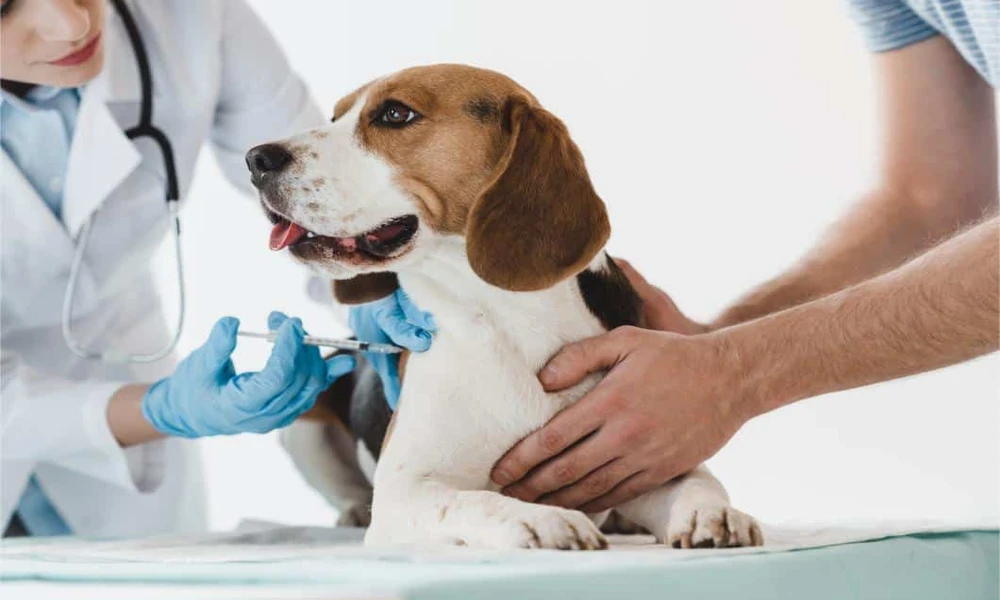
Because of this tension, you might wonder what vaccines really do. They prepare your pet’s immune system before exposure happens. Instead of waiting for illness to strike and hoping treatment works, vaccination lowers the chance of severe infection in the first place. That is the heart of preventive veterinary medicine. It is not about doing more for the sake of it. It is about doing the right things early, when they can help the most.
There is also a public health side to this that many people do not think about until there is a scare. Some diseases can spread between animals and people. The CDC explains the basics of zoonotic diseases, and rabies is one of the clearest examples. Keeping pets current on vaccines helps protect children, older adults, and anyone with a weaker immune system.
What problems can missed vaccines create for your pet and your wallet?
When vaccines are delayed, the risk is not only medical. It can become emotional and financial very quickly. A preventable disease can mean isolation, intensive treatment, repeated visits, and days of fear while you wait to see whether your pet recovers. In some cases, boarding facilities, groomers, training programs, and even housing providers may require proof of certain vaccines, so falling behind can disrupt your routine too.
Think about a simple what-if. What if your new puppy misses a core vaccine series and later develops vomiting and severe diarrhea from parvovirus? Treatment may involve hospitalization, fluids, medications, and close monitoring. That cost is often far greater than staying on schedule with routine care. The same pattern shows up again and again in animal medicine. Prevention is usually easier on the pet and easier on the family.
If you want to understand how veterinary vaccines are developed and regulated, the USDA’s veterinary biologics page is a helpful resource. It gives a clearer picture of the oversight behind products used in everyday practice.
How does preventive care compare to waiting until a pet gets sick?
Sometimes a side-by-side view makes the decision easier. Not every pet needs the exact same vaccine plan, because age, lifestyle, travel, and health history all matter. Still, the comparison below shows why pet vaccination remains such an important part of routine animal care.
| Approach | Likely Cost Pattern | Impact on Your Pet | Impact on Your Household |
|---|---|---|---|
| Routine vaccines through an Animal Hospital | Predictable, lower ongoing costs | Lower risk of severe preventable disease, regular wellness checks | Fewer disruptions, easier boarding and grooming compliance |
| Delaying or skipping vaccines | Lower short-term spending, higher chance of large surprise costs later | Higher risk of infection, more severe illness if exposed | Stress, possible exposure concerns, schedule and care complications |
| Treating preventable illness after infection | Often the highest cost due to testing, medication, or hospitalization | Pain, isolation, recovery time, possible lasting health effects | Emotional strain, time away from work, concern for other pets |
So, where does that leave you? Usually with a simple truth. Vaccines are not a stand-alone checkbox. They are part of responsible veterinary prevention that supports a longer, steadier life.
What can you do right now to make smart vaccine decisions?
1. Schedule a wellness visit and ask for a tailored vaccine plan.
Puppies, kittens, adult pets, and seniors do not all need the same schedule. A veterinarian can sort core vaccines from lifestyle-based ones and explain why each recommendation fits your animal’s age, habits, and risk level.
2. Bring your pet’s full history, even if it feels incomplete.
If you adopted recently or changed clinics, gather any records you have. Indoor or outdoor status, travel, boarding, dog parks, wildlife exposure, and chronic illness all shape the right plan. A partial record is still better than guessing.
3. Keep up with trusted pet health guidance between visits.
For everyday prevention tips, travel ideas, and healthy habits around animals, the CDC’s Healthy Pets resource is worth bookmarking. It can help you spot risks early and ask better questions at your next appointment.
What does all of this mean for your next step?
If you have been unsure about vaccines, you are not alone. Many caring pet owners hesitate because they want to make thoughtful choices, not rushed ones. But when you look at the bigger picture, the value becomes clear. Vaccines help prevent suffering, lower the chance of expensive emergencies, and support the bond you have with your pet by protecting the life you share together.
Your next step does not have to be complicated. Reach out to an Animal Hospital, review your pet’s current records, and ask what preventive care is due now. A small appointment today can spare you much harder decisions later.