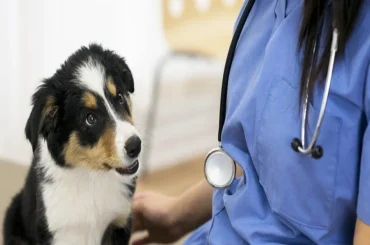
You might be feeling that quiet worry many pet owners know well. Your dog or cat seems mostly fine, but something is a little off. Maybe their appetite changed, maybe they are sleeping more, or maybe you are at a routine appointment at a veterinary clinic in Langley, BC wondering whether a basic exam is enough. That space between “probably okay” and “what if it is not” can be hard to sit with. Because of that tension, it helps to know that adding diagnostics to a veterinary visit can give you clearer answers, earlier care, and often a better path forward. In simple terms, the benefits of veterinary diagnostics during routine and problem-based visits come down to catching issues sooner, making treatment more precise, reducing long-term costs, and giving you peace of mind.end
Why can a normal exam miss things your pet is already feeling?
A physical exam matters, and routine checkups are a key part of keeping pets well. The team at the University of Georgia explains the value of annual wellness exams, where veterinarians look for changes in weight, heart health, dental condition, mobility, and more. Still, even a careful exam has limits. Some problems begin inside the body long before they show up on the outside.
That is where diagnostics fit in. Bloodwork, urine testing, fecal screening, imaging, and other tools can reveal early kidney disease, infection, parasites, blood sugar issues, thyroid problems, or organ stress before symptoms become severe. If your pet cannot explain what hurts, these tests often tell the story their body cannot say out loud.
So, what are the real benefits of integrating diagnostics into veterinary visits? The first is early detection. A pet may look stable while lab work shows the start of a problem that is far easier to manage now than months later. Waiting until symptoms become obvious can mean a harder recovery, more discomfort, and fewer treatment options.
How do diagnostics help your veterinarian make better decisions?
When a pet is vomiting, limping, losing weight, or drinking more water than usual, there can be several possible causes. Without testing, treatment may start with educated guesses. Sometimes that works, but sometimes it delays the right care. Diagnostics narrow the possibilities, which means your veterinarian can treat the actual problem instead of only the visible signs.
This is the second benefit: better accuracy. A test result can help distinguish between a minor stomach upset and pancreatitis, between simple aging and arthritis with underlying inflammation, or between stress-related urinary signs and a more serious bladder issue. That kind of clarity matters. It protects your pet from treatments they do not need and helps them get the ones they do.
It also supports safer care. Before anesthesia, surgery, or certain medications, lab testing can uncover hidden risks. A pet with liver or kidney changes may need a different plan. A senior pet may need closer monitoring. Diagnostic best practices matter enough that veterinary professionals continue to train in them through programs like diagnostic best practices education highlighted by Cornell.
Can diagnostic testing during vet appointments actually save money?
This is the question many people ask quietly, and it is a fair one. Adding tests to a visit can feel like one more cost in an already stressful moment. But the third benefit is that diagnostics often reduce bigger expenses later. When a condition is found early, treatment may be simpler, less invasive, and less urgent.
Think about a pet with early kidney changes found on routine bloodwork. That may lead to diet changes, monitoring, and medication before a crisis happens. Compare that with an emergency visit after severe dehydration, appetite loss, and hospitalization. The cost difference can be significant, but so can the emotional toll.
There is also a fourth benefit that people sometimes overlook: peace of mind. If test results are normal, that information has value too. It can reassure you that your pet is stable, or it can help your veterinarian focus on the next most likely cause. Either way, you are not left guessing.
What does it look like when you compare waiting versus early testing?
Sometimes the clearest way to understand 4 Benefits Of Integrating Diagnostics Into Veterinary Visits is to see the contrast side by side.
| Situation | Waiting for Symptoms to Worsen | Early Diagnostics at the Visit |
|---|---|---|
| Mild increase in thirst | Problem may progress unnoticed for weeks or months | Blood and urine tests may catch diabetes or kidney changes early |
| Intermittent vomiting | Treatment may rely on trial and error | Testing can help identify infection, parasites, organ issues, or inflammation |
| Pre-surgery evaluation | Hidden risks may stay unknown until complications arise | Screening helps guide anesthesia and medication decisions |
| Routine wellness care | Subtle disease may stay silent | diagnostic testing during vet appointments can create a health baseline for future comparison |
Veterinary diagnostic laboratories also play a major role in this process. Resources like the Veterinary Diagnostic Laboratory at the University of Minnesota support the testing that helps veterinarians confirm disease, monitor treatment, and respond with more confidence.
What can you do right now to make veterinary diagnostics more useful?
1. Track small changes before the appointment.
Write down changes in appetite, thirst, bathroom habits, energy, weight, or behavior. Even small details can help your veterinarian decide which tests make sense. A good diagnostic plan starts with a clear history.
2. Ask what each test is meant to rule in or rule out.
You do not need to say yes to everything without context. Ask how the test will guide treatment, whether it is urgent, and what the next step would be if results are normal or abnormal. That makes pet diagnostics in veterinary care feel less overwhelming and more purposeful.
3. Use routine visits to build a baseline.
Testing is not only for sick pets. Wellness lab work can show what is normal for your pet now, which makes future changes easier to spot. This is especially helpful for senior pets and for animals starting new medications. It is one of the smartest uses of a general veterinarian.
Where does that leave you if your pet seems fine, but you are not fully sure?
You do not have to wait for a crisis to get clearer answers. Integrating diagnostics into a veterinary visit can turn uncertainty into a plan, and that can make a hard moment feel more manageable. Whether your pet is due for routine care or showing subtle signs that something is off, asking about diagnostic options is a thoughtful next step. Sometimes the best care begins before a problem looks serious, when there is still time, choice, and room to act with confidence.